Everyday Nutrition

What Biblical drink (oil)/ Honey blend Reveals About the Order You Eat Your Meals

A closer, educational look at Biblical drink (oil)/ Honey blend as part of traditional cooking — not a treatment, and never a reason to change what your doctor has recommended for you.

Everyday Nutrition  ·  Daily Habits  ·  Educational Content  ·  Everyday Nutrition  ·  Daily Habits  ·  Educational Content

A Day Built Around Guessing

It’s 1:15 in the afternoon. Lunch is over, but the focus hasn’t come back yet. The plate is empty, the energy is uneven, and the rest of the day feels like it’s being negotiated one hour at a time. For many adults who keep an eye on their meals, this isn’t a rare afternoon — it’s most afternoons.

The After-Lunch Rollercoaster

A burst of energy right after eating, followed by a slump that shows up before the next meeting even starts.

Mornings That Start Tired

Waking up already behind, reaching for coffee before deciding what breakfast should even look like.

The Constant 'What Can I Eat?'

Every menu, every grocery aisle, every invitation to dinner turns into a small negotiation.

The Weight of Every Decision

Three meals a day, three separate calculations — and by evening, the mental math is exhausting on its own.

Myths vs Facts About Everyday Eating

A few ideas about carbohydrates, fruit, and ‘special’ diets tend to circulate more from habit than from current nutrition guidance.

MYTH

All carbohydrates affect a meal the same way.

FACT

The type of carbohydrate, the portion size, and what it’s paired with all influence how a meal is experienced afterward.

MYTH

Fruit should be avoided altogether.

FACT

Whole fruit eaten as part of a meal is generally treated differently by nutrition guidelines than fruit juice or foods with added sugar.

MYTH

There’s a separate category of ‘diabetic food.’

FACT

Most modern nutrition guidance points toward balanced, everyday meals for the whole household rather than a distinct diet label.

A Simple Way to Rethink the Plate

None of this replaces medical guidance — it’s simply a way of organizing a meal that many people find easier to keep up with. Always check with the doctor who follows your care before changing your routine.

01

Start With What's Green and Fibrous

Some traditions of everyday cooking begin a meal with vegetables or fiber-rich foods before moving to the rest of the plate.

02

Slow Down the Rhythm of the Meal

Eating at a slower pace, with smaller bites and more chewing, is a habit many nutrition educators encourage — not for speed, but for attention.

03

Add Light Movement After Eating

A short walk after a meal is a habit found in many cultures, long before it had anything to do with modern nutrition advice.

Where Biblical drink (oil)/ Honey blend Comes From

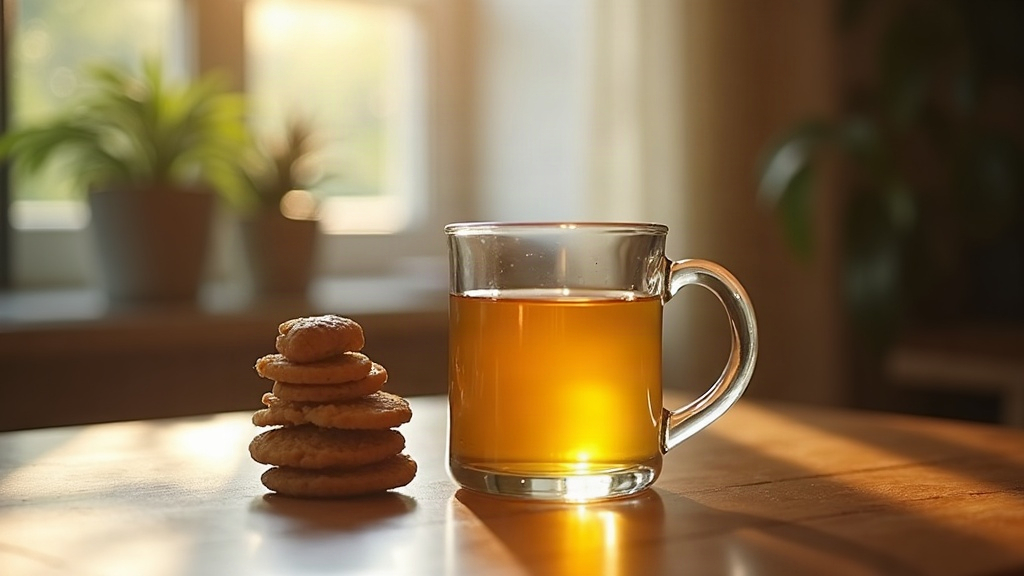
Long before it had a name on a label, a blend of oil and honey appeared in kitchens across the ancient Mediterranean and the Middle East. Olive oil was pressed and stored in clay jars; honey was harvested and kept as one of the few natural sweeteners available. Together, they were folded into flatbreads, drizzled over festive dishes, and offered as a gesture of hospitality at shared tables. Old texts and travelers’ accounts describe the pairing less as medicine and more as a staple of everyday cooking — something served at celebrations, in humble meals, and everywhere in between.

The interesting part isn’t the ingredient on its own — it’s the way food, in that tradition, was built around shared meals, unhurried pacing, and simple combinations. That’s a habit worth noticing, even today, and it’s a cultural note, not a nutritional instruction.

When It's Time for a Conversation With Your Doctor

Energy That Swings More Than Usual

If daily energy feels noticeably less predictable than before, it's worth mentioning to the doctor who follows your care.

Sleep That Doesn't Feel Restful

Ongoing changes in sleep quality are worth describing to a healthcare professional, rather than adjusting habits alone.

Meals That Feel Harder to Plan Than Before

If planning meals has become noticeably more difficult or stressful, a conversation with your doctor or a registered dietitian can help.

Noticeable Changes in Thirst or Appetite

Any clear shift in thirst or appetite patterns is something to bring up with your doctor rather than interpret on your own.

Feeling Unusually Tired During the Day

Persistent daytime tiredness that doesn't match your usual pattern deserves a conversation with a healthcare professional.

Any Question Before Changing Medication or Routine

Never adjust, pause, or replace a prescribed medication or treatment plan without first talking it through with the doctor managing your care.

Notes on Everyday Meal Routines

I started paying attention to the order I eat things in — vegetables first, then the rest. It sounds small, but it changed how I plan my grocery list and my week.

Renata Alves
Illustrative account
Slowing down at dinner was harder than I expected. Now I put my fork down between bites, and meals feel less rushed and less like a task to get through.
Tom Whitfield
Illustrative account
Adding a short walk after dinner became a habit almost by accident. It's now just part of how our evenings work as a family.
Priya Nair
Illustrative account

These are individual experiences shared for illustrative purposes only. They do not represent typical results and are not a substitute for medical advice. Always consult the healthcare professional who oversees your care before changing your diet, routine, or any prescribed treatment.

Curious About Biblical drink (oil)/ Honey blend and Everyday Meal Habits?

Take a closer look at how this traditional ingredient fits into everyday cooking history — and keep your doctor part of any decision about your diet, routine, or treatment.

Advertising Disclosure: This page contains sponsored content and affiliate links. We may receive compensation if you click on or make a purchase through links on this page. This helps support the content we provide but does not influence the educational information presented.

Content Disclaimer: This content is provided for educational purposes only and has not been evaluated by the Food and Drug Administration. It is not intended to diagnose, treat, cure, or prevent any disease, and it does not substitute for professional medical advice, diagnosis, or treatment. Always consult a qualified healthcare professional before changing your diet, routine, or any prescribed treatment.

Results Disclaimer: Individual experiences and results vary from person to person. Testimonials reflect personal opinions and are not a guarantee of any particular outcome. They should not be interpreted as medical advice or as representative of what any other person may experience.

© 2026 · All Rights Reserved